Ophthalmology Department
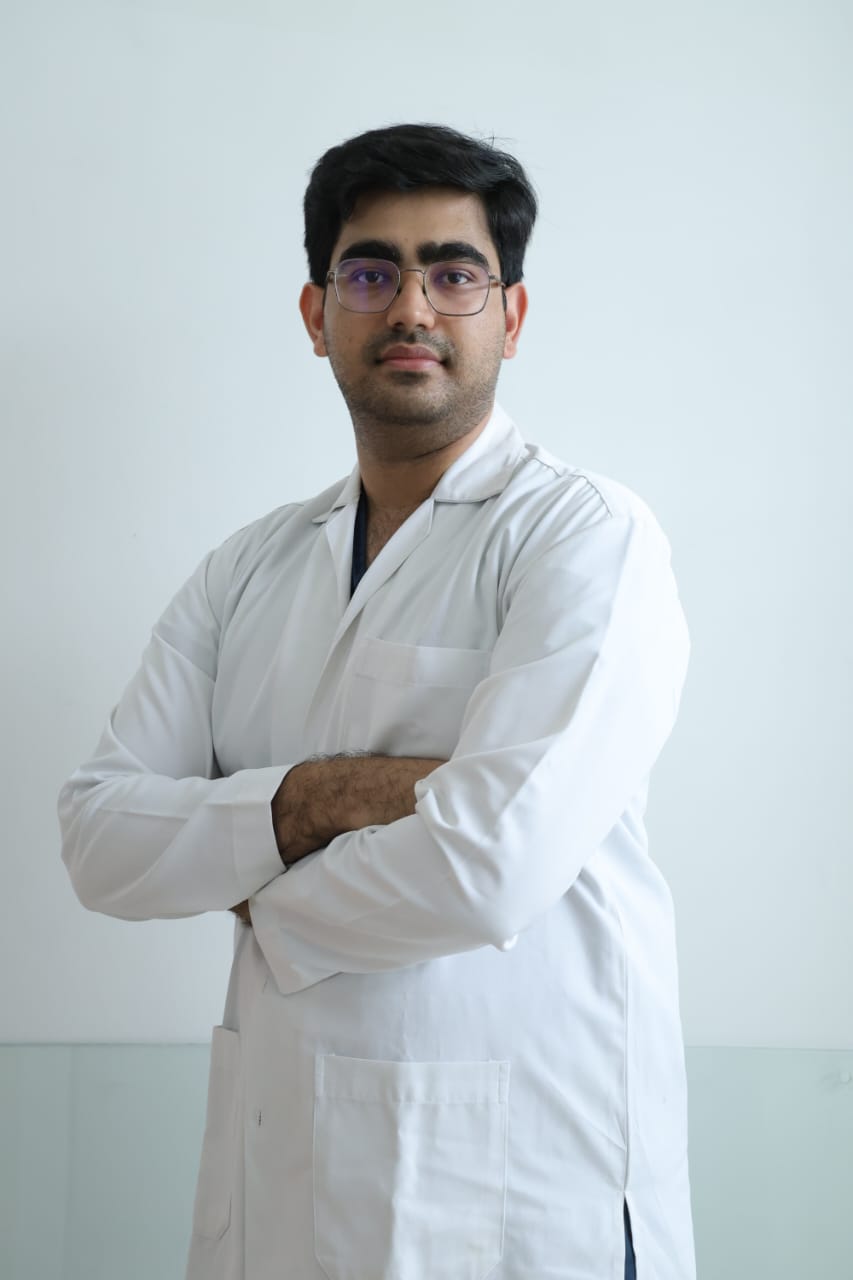
Dr Dhruvil Nayak
M.B.B.S, M.S ( Ophthal)
Gold Medalist
Eye Surgeon
Dr. Dhruvil Nayak is a consultant ophthalmologist, specializing in advanced cataract and refractive eye surgeries. With strong surgical expertise and a passion for patient-centered care, Dr. Nayak combines academic excellence with practical experience to deliver the highest standards of treatment. His approach focuses not only on surgical precision but also on guiding patients to the best vision outcomes tailored to their lifestyle needs.
Experience
- M.B.B.S – Govt. Medical College-Bhavnagar.
- M.S. Ophthalmology – Govt. Medical College-Bhavnagar.
- Senior Resident – Govt. Medical College-Bhavnagar.
- Ex-Full Time Ophthalmologist – GMERS Medical College & Civil Hospital-Junagadh.
- Ex-Ophthalmologist – Shantilal Shah Hospital-Bhavnagar.
- Ex-Ophthalmologist – Sadvichar Hospital-Bhavnagar.
- Assistant Professor – Govt. Medical College-Bhavnagar.
- Ophthalmologist – V.C. Lodhawala Hospital-Bhavnagar.
- Visiting Ophthalmologist – Red Cross Hospital-Alang.
Cataract Surgery
Clear Vision with Modern Techniques
Cataract is the clouding of the natural lens of the eye, leading to blurred vision, difficulty in night driving, and reduced quality of life. Today, cataract surgery has evolved into a safe, painless, and highly effective procedure.
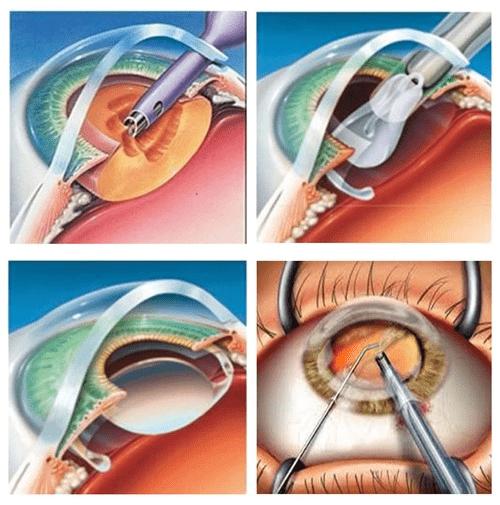
Phacoemulsification (Phaco Surgery)
- A stitch-less, micro-incision technique
- Faster recovery with minimal discomfort
- Early return to routine activities
- Better control of post-surgery astigmatism
- Option to customize vision with advanced intraocular lenses (IOLs)
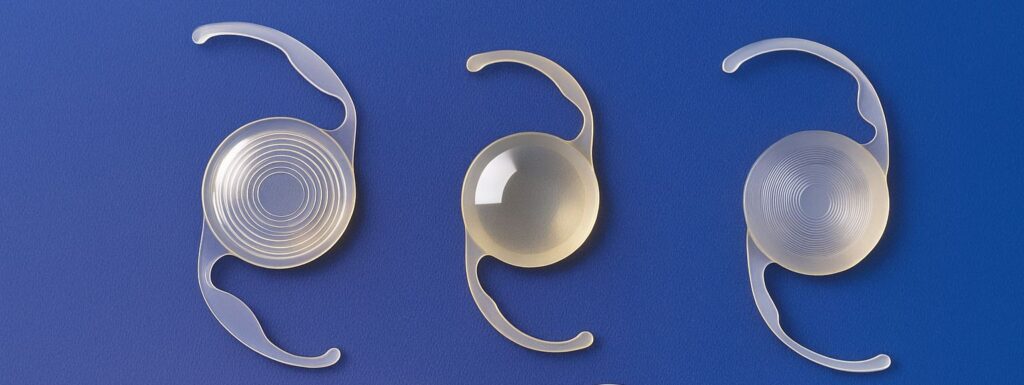
Types of Intraocular Lenses (IOLs)
Choosing the right IOL is an important step in cataract surgery.
- Aspheric IOLs: Provide sharper image quality and better contrast sensitivity, especially in low light.
- Toric IOLs: Correct pre-existing corneal astigmatism, giving clearer vision without glasses.
- Multifocal IOLs: Offer both near and distance vision, reducing dependence on spectacles.
- EDOF (Extended Depth of Focus) IOLs: Provide a continuous range of vision from distance to intermediate, with minimal glare/halos.
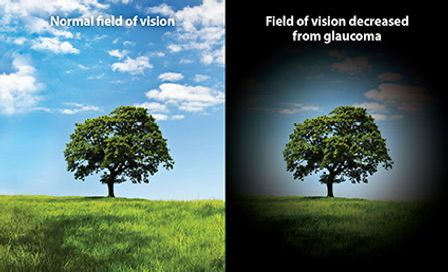
Glaucoma (Silent Thief of Sight)
Glaucoma is a disease where the pressure inside the eye damages the optic nerve, slowly reducing vision. Most people don’t notice symptoms until advanced stages, which is why it’s often called the “silent thief of sight.” If left untreated, glaucoma can cause permanent blindness. With regular check-ups, eye pressure control through eye drops, laser, or surgery, vision loss can be prevented and progression slowed.
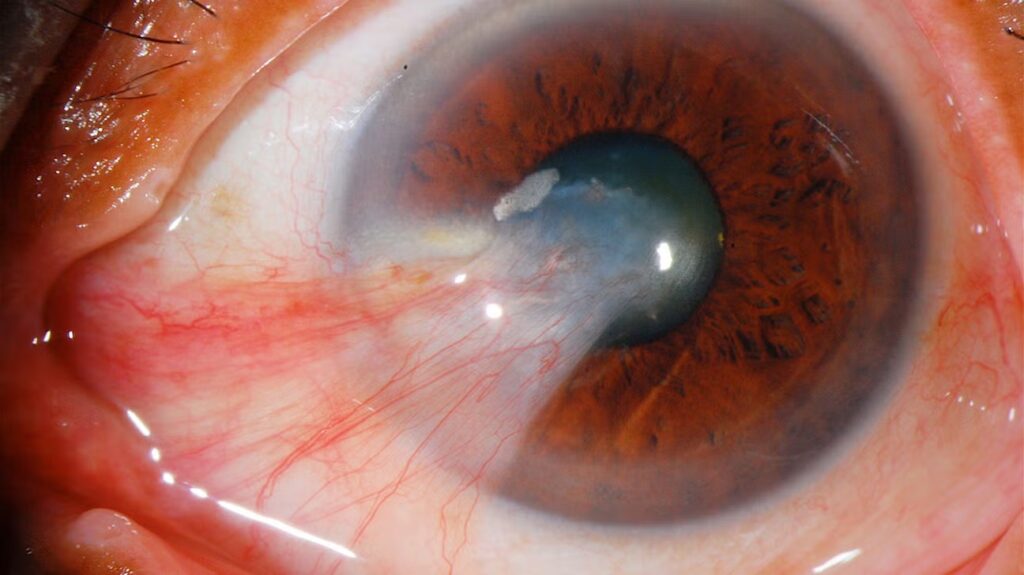
Pterygium (Fleshy Growth on the Eye)
Pterygium is a pinkish, triangular growth on the white of the eye that may extend onto the cornea. It commonly occurs in people exposed to sun, dust, or wind for long hours. Symptoms include redness, irritation, and sometimes blurred vision. Modern surgical removal with conjunctival autograft (using patient’s own tissue) not only improves cosmetic appearance but also greatly reduces the risk of recurrence.
Refractive Errors (Spectacle Power Problems)
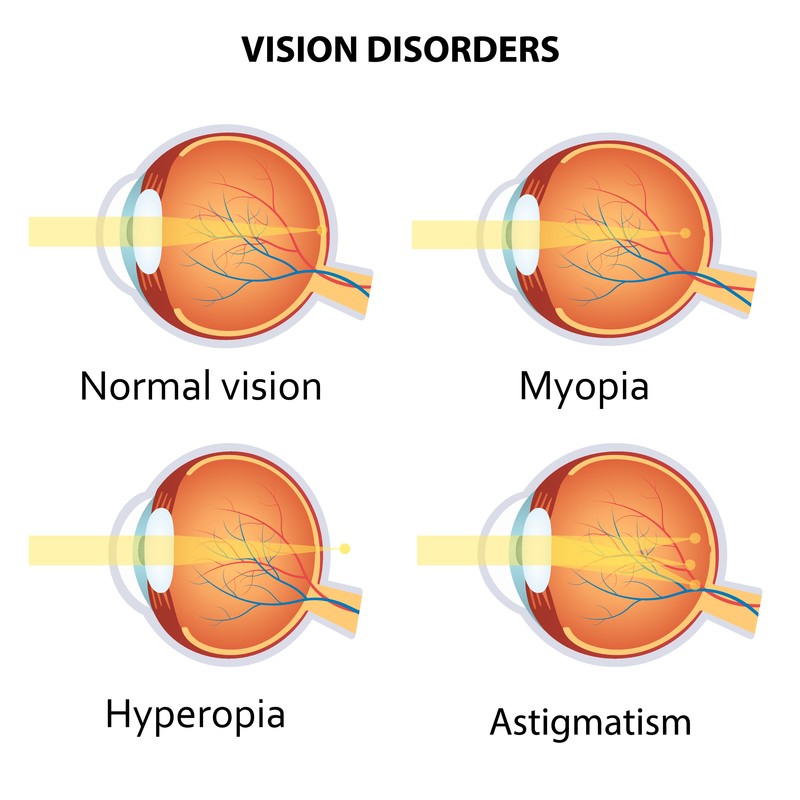
Refractive errors include:
- Myopia (short-sightedness): difficulty seeing distant objects clearly.
- Hyperopia (long-sightedness): difficulty focusing on near tasks.
- Astigmatism: blurred or distorted vision at all distances.
Corneal Diseases
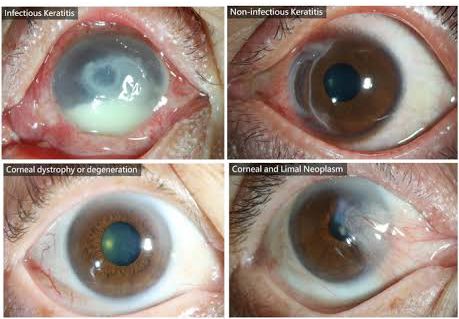
- Infections (keratitis/ulcers): cause pain, redness, and sudden vision drop.
- Keratoconus: progressive thinning of the cornea, leading to irregular vision.
- Corneal scars or dystrophies.
Retinal Disorders
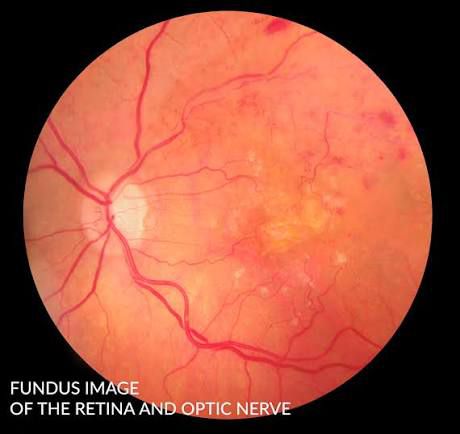
- Diabetic Retinopathy: damage from uncontrolled diabetes, causing bleeding or swelling inside the eye.
- Age-related Macular Degeneration (AMD): affects central vision, making reading and recognizing faces difficult.
- Retinal Detachment: a medical emergency where the retina peels away, causing sudden flashes, floaters, or loss of vision.
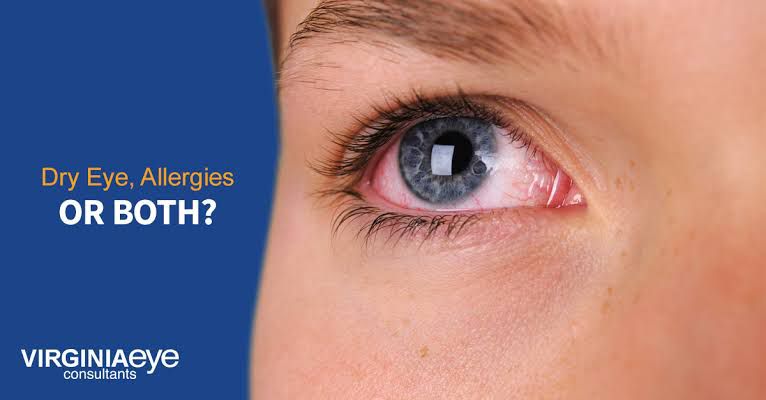
Dry Eye & Allergic Eye Diseases
- Burning, gritty sensation
- Redness, itching, watering
- Fluctuating vision
Pediatric Eye Care
- Squint (crossed eyes)
- Amblyopia (lazy eye)
- Refractive errors (glasses need at a young age)

Ocular Trauma & Emergency Care
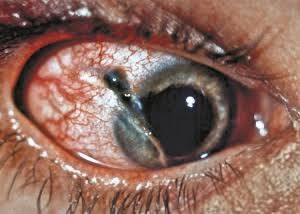
Eye injuries from accidents, sports, or workplace hazards can range from mild scratches to severe globe injuries. Symptoms may include pain, sudden loss of vision, or visible wounds.
Immediate medical attention is crucial to preserve sight. Dr. Nayak offers prompt emergency care including suturing, foreign body removal, and surgical repair for trauma cases.
Ophthalmology Department
Dr. Dhruvil Nayak Gold Medalist
M.B.B.S. · M.S. (Ophthal) · Eye Surgeon
Eye Care & Cataract Surgery: Frequently Asked Questions
Providing clear information is the first step toward better vision. Below are the most common questions regarding eye health and the specialized services offered by Dr. Dhruvil Nayak at Shreeji Hospital, Bhavnagar.
If you notice any of these, book a consultation with Dr. Dhruvil Nayak for a thorough evaluation.
Dr. Dhruvil Nayak will recommend the best IOL based on your biometry measurements and daily lifestyle needs.
Subscribe To Our Newsletter

Shreeji Hospital is dedicated to providing compassionate care and advanced medical services, ensuring the health and well-being of every patient.
Quick Links
Contact Info
- +91 8160853402
- +91 9227003868
- 0278-2568686
- doctor@shreejihospital.in
- Shreeji Hospital, Sardarnagar Circle to Sanskar Mandal Road, Besides Ravi Gym, Sardarnagar, Bhavnagar 364001